

 Porcelanosa
Products
-
Porcelanosa
-
 Porcelanosa
Showing 2 of 2
About mosaic tiles
Mosaic Tiles
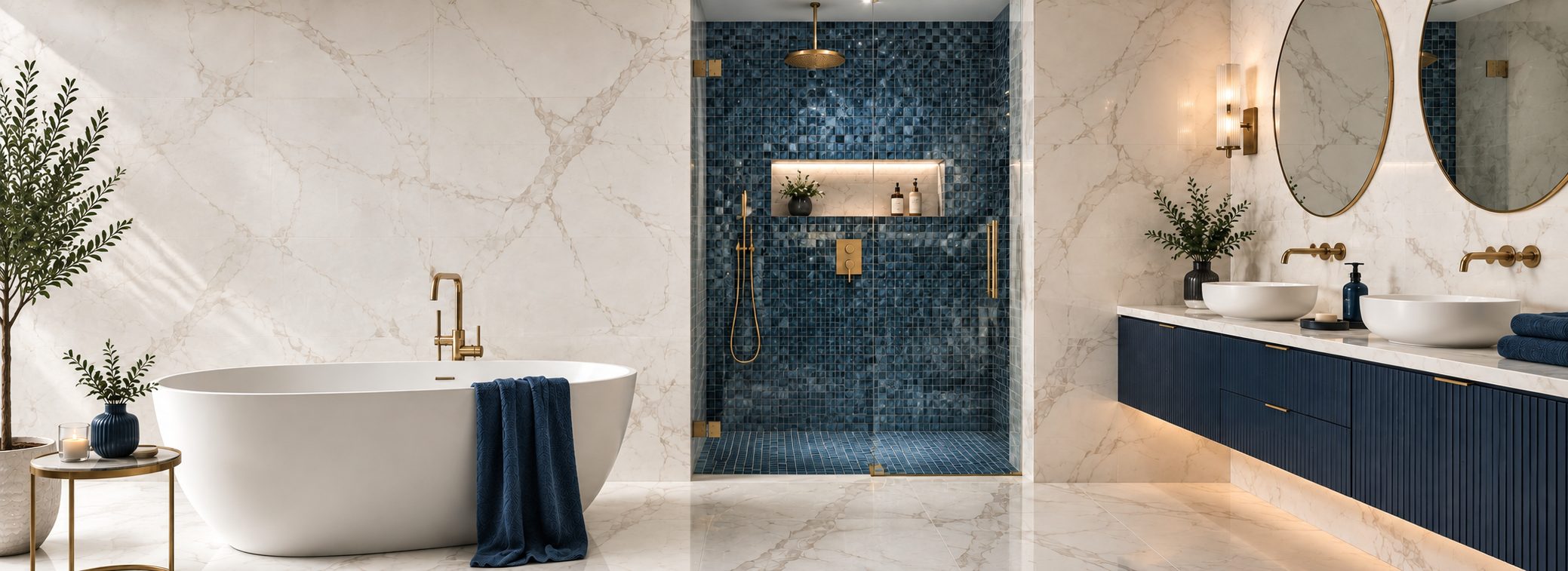
Available in a wide range of materials, colours, shapes, finishes and patterns, mosaic tiles offer almost unlimited design possibilities. Whether you want a luxurious marble-effect bathroom, a colourful kitchen splashback or a textured feature wall, there is a mosaic tile style to suit almost every room and interior scheme.
What Are Mosaic Tiles?
Mosaic tiles are small tiles arranged in a repeating pattern on a flexible mesh sheet. The individual pieces may be square, rectangular, hexagonal, circular, scallop-shaped or irregular, depending on the design. The mesh backing helps keep the tiles evenly spaced and makes installation quicker than fitting each small tile individually.
Mosaics can be made from several different materials, including:
Glass Mosaic Tiles
Glass mosaic tiles are known for their reflective surface and ability to brighten a room. They can reflect both natural and artificial light, making them useful in bathrooms, kitchens and smaller spaces.
Glass mosaics are available in transparent, translucent, frosted, metallic and coloured finishes. They can create a clean, contemporary appearance or add a vibrant splash of colour to a neutral interior. Always check that the product is suitable for the intended wall or floor application before installation.
Porcelain Mosaic Tiles
Porcelain mosaic tiles are durable, hard-wearing and available in a wide variety of designs. They can replicate the appearance of natural stone, marble, concrete, wood and other materials while offering the practical benefits of porcelain.
Porcelain mosaics are a strong choice for bathrooms, kitchens and selected flooring applications. Their low water absorption makes them suitable for many wet-area installations, provided the product has been approved for that use.
Ceramic Mosaic Tiles
Ceramic mosaics are a popular option for walls, splashbacks and decorative areas. They are available in many colours, shapes and finishes, making them suitable for both traditional and contemporary interiors.
Ceramic mosaic tiles are generally lighter and easier to cut than porcelain, although they may not be suitable for every floor or external application. Always check the tile’s recommended use before ordering.
Marble and Natural Stone Mosaic Tiles
Marble and natural stone mosaic tiles provide an authentic, luxurious finish. They can add natural variation, texture and depth to bathrooms, kitchens, hallways and feature walls.
Because natural stone is porous, it usually needs to be sealed before or after installation and may require periodic resealing. Natural stone also benefits from the use of suitable cleaning products, as acidic or abrasive cleaners can damage the surface.
Metal-Effect Mosaic Tiles
Metal-effect mosaics can create a modern, industrial or glamorous look. They are often used in kitchen splashbacks, bar areas and feature walls. Copper, brass, bronze, stainless steel and gunmetal finishes can add warmth or contrast to a room.
Check the care instructions carefully, as some metallic finishes may be sensitive to abrasive cleaners, moisture or strong chemicals.
Pebble Mosaic Tiles
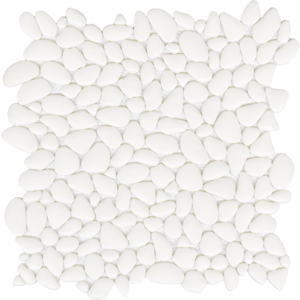
Pebble mosaics are made from natural or manufactured pebble-shaped pieces arranged on a backing sheet. They are often used to create a relaxed, natural look in bathrooms, shower areas and spa-inspired interiors.
Their textured surface adds a tactile quality, although pebble mosaics can require more grout and careful cleaning than flatter tile designs. Suitability for floors and wet areas should always be confirmed before installation.
The material you choose will depend on where the tiles are being installed, the desired appearance and the level of maintenance required.
FAQs
Mosaic tile questions
Mosaic tiles are small individual tiles arranged on a mesh-backed sheet to create a repeating pattern. They are available in a wide range of shapes, including squares, rectangles, hexagons, herringbone, scallop and fish-scale designs.
Mosaic tiles can be made from:
- Porcelain
- Ceramic
- Glass
- Marble
- Natural stone
- Metal-effect materials
- Pebble and textured finishes
The mesh backing makes mosaic tile sheets easier to install than fitting each small tile individually, while still providing an intricate and detailed finish.
Mosaic tiles can be used throughout the home, provided the chosen product is suitable for the intended location. Common applications include:
- Bathroom walls
- Shower walls and floors
- Kitchen splashbacks
- Behind sinks and basins
- Shower niches and alcoves
- Hallway feature walls
- Decorative borders
- Small floor areas
Mosaic tiles are particularly useful for curved surfaces, recessed areas and smaller spaces where large-format tiles may be difficult to cut or position.
Many mosaic tiles are suitable for bathrooms and shower areas. Porcelain, ceramic and glass mosaics are popular choices for bathroom walls, splashbacks and shower enclosures.
Some mosaics can also be used on shower floors, as their smaller format creates more grout joints and can provide additional grip. However, not every mosaic tile is suitable for flooring or constant water exposure. Always check the manufacturer’s guidance for water resistance, slip resistance and intended use before installation.
A suitable waterproofing or tanking system may also be required in wet areas, particularly around showers and baths.
Some mosaic tiles are suitable for floors, but this depends on the material and product specification. Porcelain mosaic tiles are often suitable for bathroom, kitchen and hallway floors because they are durable and have low water absorption.
When choosing floor mosaic tiles, check:
- Whether they are approved for floor use
- Their slip-resistance rating
- Their durability and wear rating
- Their suitability for wet areas
- Their compatibility with underfloor heating, if applicable
Glass and delicate decorative mosaics are often designed for walls only, so they should not be used on floors unless the manufacturer specifically confirms that they are suitable.
Mosaic tiles can be relatively straightforward to install because the individual pieces are usually fixed to mesh-backed sheets. This helps maintain consistent spacing and speeds up the fitting process.
However, mosaic tile installation still requires careful preparation. The surface should be clean, flat, dry and structurally sound. The sheets must be aligned accurately, especially where there are visible joins between them. Too much adhesive can also squeeze through the joints and affect the final grout finish.
Professional installation may be advisable for natural stone mosaics, intricate patterns, curved areas and large shower installations. Stoke Tiles offers a tile fitting service in Staffordshire and the surrounding area discover out tile installation page here.
The correct adhesive and grout depend on the tile material, location and joint width. A suitable flexible adhesive is commonly used for bathroom and kitchen mosaics, while glass mosaic tiles may require a specialist white adhesive to prevent the colour from being affected.
Cement-based grout is suitable for many ceramic and porcelain mosaics. Epoxy grout may be preferred in showers, kitchens and other areas exposed to moisture because it is highly durable and resistant to staining.
Natural stone mosaics require careful product selection, as some adhesives and grouts can stain porous tiles. Always follow the manufacturer’s recommendations and check that the products are compatible with the chosen mosaic.
Not all mosaic tiles need to be sealed. Glazed ceramic, glass and many porcelain mosaics generally do not require sealing because their surfaces are non-porous or highly water-resistant.
Natural stone, marble, terracotta and unglazed tiles are porous and will usually need to be sealed before or after installation. Sealing helps reduce the risk of staining and protects the tile from moisture. Natural stone mosaic tiles may also need to be resealed periodically.
Always check the product guidance before sealing, as the wrong sealer can change the appearance of the tile or leave an unwanted residue.
Mosaic tiles should be cleaned regularly using warm water and a suitable pH-neutral tile cleaner. Remove loose dust and dirt first, then wipe the tiles with a soft cloth, mop or non-abrasive sponge.
Because mosaic tiles have more grout lines than large-format tiles, the grout may require additional attention. In bathrooms, good ventilation and regular drying can help reduce soap deposits, mould and mildew.
For natural stone mosaic tiles, use a cleaner specifically designed for stone.
The best mosaic tile shape depends on the style of your room and the effect you want to create.
- Square mosaics: Classic and versatile for walls, splashbacks and floors
- Hexagon mosaics: Geometric and contemporary
- Herringbone mosaics: Add movement and direction
- Chevron mosaics: Create a striking zigzag pattern
- Scallop and fish-scale mosaics: Offer a softer, decorative finish
- Brick and metro mosaics: Provide a traditional look with flexible layout options
- Pebble mosaics: Add natural texture to bathrooms and shower areas
The grout colour can also change the appearance of the layout. Matching grout creates a softer finish, while contrasting grout highlights each mosaic shape.
Yes, mosaic tiles are an excellent choice for creating a feature wall. Their small format allows you to introduce detailed patterns, contrasting colours and surface texture without covering the entire room.
Mosaic feature walls work particularly well:
- Behind a bath or basin
- Inside a shower enclosure
- Behind a kitchen hob
- In a hallway alcove
- On a media or shelving wall
For the best result, use mosaic tiles on one main feature area and balance them with plain or large-format tiles elsewhere. Glass mosaics can reflect light and brighten a room, while dark stone, marble or textured mosaics can create a more dramatic focal point.
Not sure which tile?
Email [email protected], Monday to Friday 9am to 4.30pm