Free UK delivery on orders over £199

Split Face Tiles

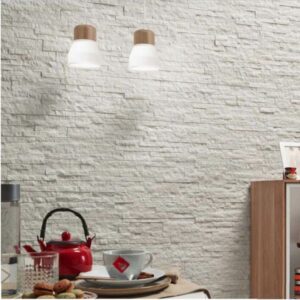
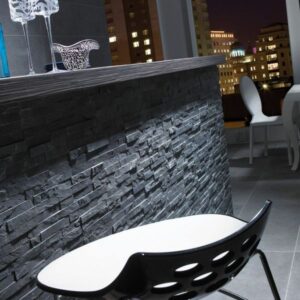
Split-face tiles are a popular choice for both interior and exterior design projects, known for their textured appearance and unique aesthetic appeal. They add depth and character to any space, making them a versatile option for a variety of applications.
What Are Split-Face Tiles?
Split-face tiles are made from natural stone, such as slate, marble, or travertine. The term “split-face” refers to the process used to create their distinctive texture. The stone is split along its natural cleft, resulting in a rugged, uneven surface that highlights the stone’s natural features. This technique enhances the stone’s inherent beauty and provides an organic look that contrasts with the smooth surfaces of traditional tiles.
Walls:
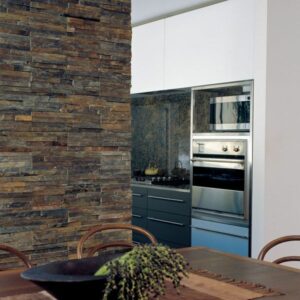
Split-face tiles are often used to create stunning accent walls in living rooms, bedrooms, or entryways. Their textured surface adds a dramatic focal point and can complement a variety of design styles, from rustic to modern.
Fireplace Surrounds:
The natural, rustic look of split-face tiles makes them an excellent choice for fireplace surrounds. They can withstand high temperatures and add a cozy, inviting feel to any room.
Bathrooms:
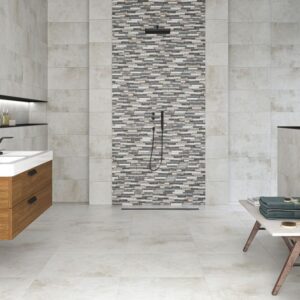
Used as a backsplash or feature wall, split-face tiles bring a touch of luxury to bathrooms, creating a spa-like atmosphere.
Exterior Design
Enhance curb appeal by using split-face tiles on the exterior walls of a building. Their durability and resistance to weather make them ideal for outdoor use.
Garden Walls and Patios:
Split-face tiles can be used to build garden walls, planters, or patio surfaces, adding a natural element to outdoor spaces.
Advantages of Split-Face Tiles
Aesthetic Appeal:
The unique texture and natural variations in colour and pattern make each tile a work of art.
Durability:
Natural stone is highly durable, making split-face tiles a long-lasting choice for both indoor and outdoor applications.
Low Maintenance:
These tiles are relatively easy to maintain. Regular cleaning with mild soap and water is usually sufficient to keep them looking their best.
Split-face tiles can be more expensive than other types of tiles due to the natural stone material and the labor-intensive manufacturing process.
Split-face tiles are a popular choice for both interior and exterior design projects, known for their textured appearance and unique aesthetic appeal. They add depth and character to any space, making them a versatile option for a variety of applications.
Showing all 16 resultsSorted by latest
-
Polished Slate Tiles 100 x 360mm
-
Oyster Slate Tiles 100 x 360mm
-
Multi-Colour Slate Tiles 100 x 360mm
-
Black Slate Tiles 100 x 360mm
-
Ledgestone Olive Split Face Tiles 150 x 300mm
-
Ledgestone Sheera Split Face Tiles 150 x 300mm
-
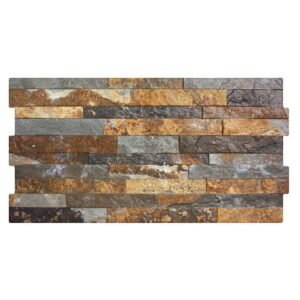
Ledgestone Copper Split Face Tiles 150 x 300mm
-
Irun White
-
Irun grafito
-
Pompeya Oxide 600x300mm
-
Pompeya Dark 600x300mm
-
Pompeya Beige 600x300mm
-
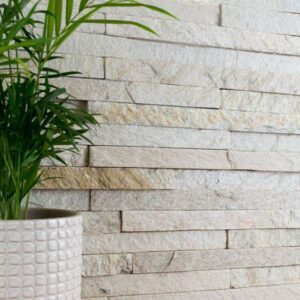
Ledgestone Ice White Split Face Tiles 150 x 300mm
-
Ledgestone Sparkle White Split Face Tiles 150 x 300mm
-
Ledgestone Black Slate Split Face Tiles 150 x 300mm
-
Ledgestone Ice Sparkle Grey Split face Tiles 150 x 300mm







Frequently Asked Questions
Split face tiles are a versatile choice and can be used in a wide range of interior and exterior settings. Indoors, they are popular for feature walls in living rooms, hallways, and fireplaces, while outdoors they work well on garden walls, boundary features, and exterior facades. Always check the specific product listing to confirm the tile’s frost resistance rating before using it in a fully exposed outdoor position in the UK.
Due to their textured, uneven surface, split face tiles are best cut using an angle grinder with a diamond blade rather than a standard tile cutter, which can struggle with the irregular stone or material. Cutting should be done carefully and with appropriate safety equipment, including eye protection and a dust mask. For external corners, purpose-made corner pieces or mitred cuts can give a neat, professional finish.
Yes, in most cases we strongly recommend sealing split face tiles after installation, particularly if they are made from natural stone or a porous material. A suitable penetrating stone sealer will protect the surface from moisture ingress, staining, and general soiling, which is especially important in kitchens or outdoor areas. Reapply the sealer periodically according to the manufacturer’s guidance to maintain full protection.
Because of their weight and textured profile, split face tiles require a thick-bed or large-format tile adhesive that can fill any unevenness and provide a strong mechanical bond. A flexible, cement-based adhesive is generally recommended, especially for exterior applications where thermal expansion and contraction can put stress on the bond. Make sure your wall substrate is solid, flat, and free from dust or loose material before you begin.
We recommend allowing a minimum of 10-15% extra on top of your measured surface area when ordering split face tiles. The textured, natural variation in the material means cuts can be less predictable than with flat tiles, and matching the pattern or texture at joins requires careful selection of pieces. Ordering a little extra ensures you have enough material to complete the project without having to place a second order, which can risk variation between batches.