

Porcelanosa


The Cubica collection features a unique 3D geometric pattern that creates a sense of movement and depth. These tiles are designed to play with light and shadow, resulting in a dynamic visual effect that changes throughout the day. The collection is available in various shades, ranging from classic whites and grey, allowing for versatile design applications.
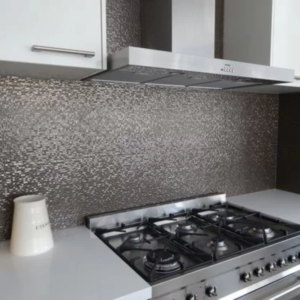
The Cubica wall tiles feature a raised geometric pattern that plays with light and shadow throughout the day, meaning the wall subtly changes in appearance depending on the time of day and lighting conditions. Once installed, the effect creates a real sense of depth and movement, making even a smaller wall feel like a considered design feature rather than a plain backdrop.
The Cubica collection works particularly well as a feature wall in bathrooms, shower enclosures, living rooms, or hallways where you want to draw the eye and add texture. Because the 3D geometric pattern is a strong visual statement, many designers recommend using it on a single accent wall rather than tiling an entire room, pairing it with plainer complementary tiles on surrounding walls.
The Cubica collection is currently available in a range of classic whites and greys, which have been chosen to maximise the light-and-shadow effect created by the 3D surface. These neutral shades also make the tiles very versatile, as they coordinate easily with a broad range of interiors and colour schemes without the risk of clashing.
Yes – because of the raised geometric profile, it is important to work grout carefully into all recesses to ensure full coverage and to avoid air pockets. It is also worth considering a grout colour that either contrasts with or closely matches the tile, as this choice will significantly affect how prominently the geometric pattern reads on the finished wall.
Cubica tiles can be cut using a suitable wet saw or angle grinder with a diamond blade, though cutting through the raised 3D relief does require care to avoid chipping the edges of the pattern. It is advisable to plan your tile layout carefully before installation to minimise the number of cuts needed, particularly at focal points such as around basins or light switches where the pattern is most visible.
Email [email protected], Monday to Friday 9am to 4.30pm