Free UK delivery on orders over £199

Clay Stone

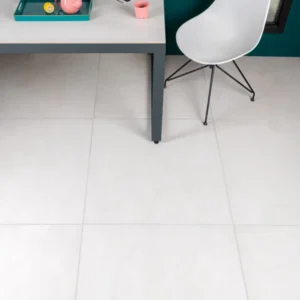
Clay Stone are a 80x80cm rectified tile made from durable porcelain with a matt natural stone finish. The Clay Stone collection, are available in four neutral colours.
Clay Stone are a 80x80cm rectified tile made from durable porcelain with a matt natural stone finish. The Clay Stone collection, are available in four neutral colours.
Showing all 3 resultsSorted by latest


Frequently Asked Questions
The Clay Stone collection is available in four neutral colours, all designed to complement a wide range of interior schemes. These neutral tones are versatile enough to work across kitchens, living areas, hallways, and bathrooms. If you would like to see how the colours look in person before committing, we recommend ordering samples through Stoke Tiles before placing your full order.
A rectified tile has been precision-cut after firing to ensure very consistent, accurate dimensions across every tile in the batch. For the Clay Stone 80x80cm format, this means tiles can be laid with a tighter grout joint – typically as narrow as 2-3mm – which creates a sleeker, more seamless finish. This is particularly desirable in large open spaces where you want to minimise the visual interruption of grout lines.
The Clay Stone tiles are an excellent choice for larger rooms where the 80x80cm format can be shown to its full advantage – think open-plan kitchens and dining areas, master bathrooms, or spacious hallways. Their durable porcelain construction and natural stone matt finish also make them well suited to high-traffic domestic areas. The neutral colour palette means they will coordinate easily with most kitchen cabinetry, bathroom furniture, and interior colour schemes.
Yes, porcelain tiles like the Clay Stone range are generally an excellent companion to underfloor heating, as they conduct and retain heat very efficiently. Before installation, always ensure your underfloor heating system is compatible with large format rectified tiles and follow the manufacturer’s guidelines for adhesive selection and expansion joint placement. It is good practice to allow the subfloor to complete its initial heating cycle before beginning any tiling work.
Measure your room’s length and width in metres, multiply the two figures together to get the total square metreage, and then divide by the area of one tile (approximately 0.64 square metres for the 80x80cm format). Always add a minimum of 10% extra on top of your calculated total to cover cuts, breakages during installation, and any future replacements. For rooms with an unusual shape or lots of fixtures to tile around, consider adding 15% to be safe.