



Products
-
Free sample
-
Free sample

-

-
-
Free sample
-
Free sample
-
Free sample
-
Free sample

-

-

-
Free sample

-
Free sample

-
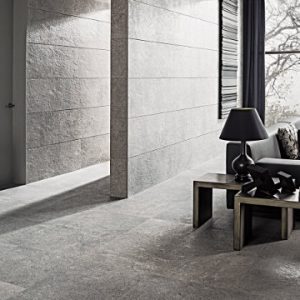 Porcelanosa
-

-
Free sample

-
Free sample

-
Free sample

-
Free sample

-
Free sample

-
Free sample

-
Free sample

-
Free sample

-
Free sample

-
Free sample

About wall tiles
Wall Tiles
Whether you are looking to transform an outdated bathroom or add some style back into your kitchen, our wide selection of sizes, colours and designs will help you find the perfect wall tile that will compliment your existing interior.
Our collection of small wall tiles feature a selection of series; from the timeless, classic Metro Tiles to the beautifully patterned Moroccan Tiles.
A medium sized tile is a versatile choice and is often considered the easiest tile to install. Choose from a range of stone effect tiles, marble effect tiles and decorative textured tiles; ideal for eye-catching feature walls.
Large format tiles create rooms of spectacular opulence with minimal grout lines. Available in various colours and finishes including tiles with a brass metal effect and textured tiles in a crisp white palette.
FAQs
Wall tile questions
The size of wall tile you choose can have a big impact on how a room feels – larger format tiles tend to make a space feel more open and contemporary, while smaller tiles add texture and interest and suit more traditional or compact rooms. In a small bathroom, a large tile with fewer grout lines can create a sense of space, while in a kitchen, a metro or brick-format tile is a classic choice for splashbacks. It is always worth ordering a sample to see how the tile looks at scale in your actual space before committing.
Most glazed wall tiles do not require sealing, as the glaze itself provides a protective, non-porous surface that resists water, grease, and staining. However, the grout joints between tiles can be more porous and benefit from a grout sealant, particularly in wet areas such as shower enclosures or above kitchen hobs. Unglazed or natural stone wall tiles are the exception and should be sealed before grouting to prevent staining.
For bathroom wall tiles, you should use a waterproof or water-resistant tile adhesive that is specifically rated for wet environments, particularly in shower areas or around baths. A flexible adhesive is often recommended, as it can accommodate minor movement in the wall without causing tiles to crack or de-bond over time. Always follow the adhesive manufacturer’s guidelines for coverage and drying times, and ensure the wall surface is clean, dry, and structurally sound before you begin.
When creating a feature wall with wall tiles, the key is careful planning before a single tile is fixed. Find the visual centre of the wall and work outward so that any cuts fall evenly at each side, keeping the layout symmetrical and balanced. Using tile spacers throughout ensures consistent grout joints, and taking the time to set out a dry run of the tiles before applying adhesive can save a lot of time and wasted material in the long run.
The best bathroom wall tiles combine style, practicality and suitability for a moisture-rich environment. Ceramic and porcelain tiles are two of the most popular choices.
Ceramic wall tiles are particularly popular for bathrooms because they are relatively lightweight, available in a huge choice of colours and designs, and generally easier to cut and install than porcelain.
Porcelain tiles are denser and have very low water absorption, making them an excellent choice for bathrooms and other demanding environments. Porcelain is also available in highly realistic marble-effect, stone-effect, concrete-effect and wood-effect designs, allowing you to achieve a luxurious natural appearance with the practical advantages of porcelain.
For a luxury bathroom, consider using large-format bathroom tiles. Larger tiles create fewer grout joints and can produce a cleaner, more seamless appearance.
Colour is equally important. Warm beige, limestone and travertine-effect tiles can create a softer spa-inspired bathroom, while marble-effect tiles offer a more luxurious finish. Green, blue and patterned wall tiles can be used to introduce personality and create a statement.
In many situations, floor tiles can be used on walls, provided the wall construction is suitable for the combined weight of the tiles, adhesive and grout.
This is increasingly relevant because many modern porcelain floor tiles are also used on walls. Using the same porcelain tile on the bathroom walls and floor can create a beautifully coordinated, high-end appearance.
However, weight needs careful consideration, particularly with large-format porcelain tiles and natural stone.
The Tile Association publishes maximum tiling-weight guidance for different substrates. Its guidance, for example, lists gypsum plaster at 20 kg/m² and unskimmed gypsum plasterboard at 32 kg/m², including the tile, bedding and grouting material. Different specialist tile-backer boards can support substantially different loads.
This is why large and heavy wall tiles should be assessed as part of the complete installation rather than simply assuming that because a tile can go on a floor, it can go on any wall.
Not all wall tiles can be used on floors.
Wall-only tiles are generally manufactured for vertical surfaces and may be thinner or less resistant to the loads, wear and foot traffic experienced by flooring. A tile should therefore only be installed on a floor when the manufacturer specifies that it is suitable for floor use.
This distinction is particularly important with decorative ceramic wall tiles, metro tiles and feature tiles.
By contrast, many porcelain ranges are designed for both walls and floors, giving homeowners the option of continuing one design across an entire bathroom.
Always check the product specification rather than judging suitability by appearance alone.
In certain circumstances, it is possible to tile over existing wall tiles, but the existing surface must be suitable.
The original tiles need to be firmly bonded, clean and free from contamination, and the wall needs to be capable of supporting the additional weight of the new installation. The appropriate surface preparation, primer and adhesive will depend upon the existing surface and the new tile being installed.
There are also practical considerations. Adding another layer of tiles increases the finished wall thickness, which can affect door frames, window reveals, sockets, switches, taps, trims and bathroom fittings.
With large-format or heavy porcelain tiles, the additional weight makes assessing the substrate particularly important.
For this reason, tiling over existing tiles can save time in some renovation projects, but removing the old tiles and correctly preparing the underlying wall may produce the better long-term solution in others. Read our full guide on tiling over tiles here.
One of the most persistent myths is that small bathrooms require small tiles.
In reality, large-format bathroom tiles can work extremely well in compact bathrooms. Larger tiles generally mean fewer grout joints, which can make walls appear less visually busy and help create a more continuous appearance.
Sizes such as 600x600mm, 600x1200mm and other large-format porcelain tiles can therefore work beautifully in contemporary bathrooms, depending on the proportions of the room and the desired layout.
Colour and finish also influence the perception of space. Light stone, ivory, beige and soft grey tiles can help create a bright, open appearance, particularly when combined with good lighting.
Another effective technique is continuing the same or coordinating tiles across the floor and walls. This reduces abrupt visual changes and can give a small bathroom a more cohesive appearance. For further advice about bathroom wall tiles, view our latest guide here.
The best kitchen wall tiles should combine design with practicality.
Kitchen tiles need to cope with everyday splashes and cleaning, particularly behind sinks, preparation areas and hobs. Ceramic and porcelain tiles offer a huge range of possibilities.
For traditional and country kitchens, metro tiles, brick tiles and handmade-effect tiles can create a timeless look. Glossy surfaces can reflect light beautifully, while uneven or artisan-style finishes add character.
For contemporary kitchens, consider large-format porcelain tiles, marble-effect tiles, stone-effect tiles or concrete-effect tiles.
A kitchen splashback is also a perfect opportunity to introduce colour. Green, blue, sage, burgundy and patterned tiles can create a focal point without overwhelming the room. Discover our latest guide about Kitchen splash back tiles here.
The wall tiles should ultimately complement the worktops, cabinetry, flooring and overall colour palette rather than being chosen in isolation.
Not sure which tile?
Email [email protected], Monday to Friday 9am to 4.30pm