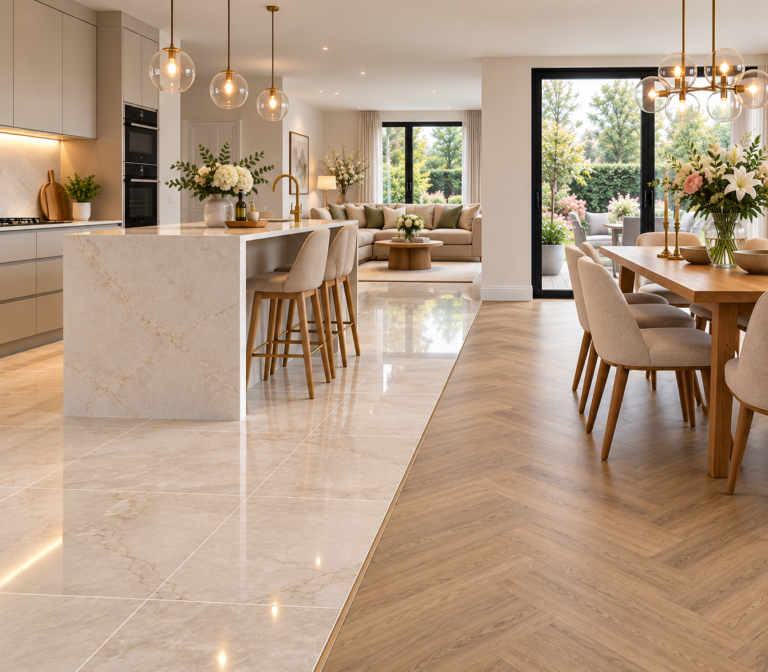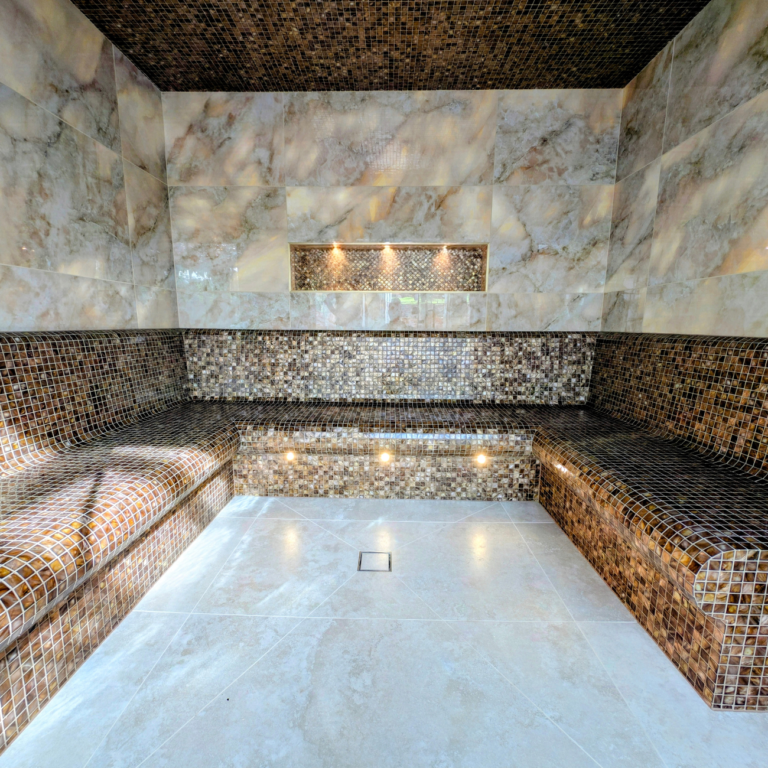

A feature wall is a great way of transforming a room – and tiles are one of the best materials to do it with – combining durability and versatility with their stylish aesthetic.
Whether you are creating a bold kitchen splashback or a textured accent wall in the bathroom, feature wall tiles allow you to transform a room without decorating the whole space. This blog covers the best tile styles for feature walls and offers a guide on how to use them in every room of your home.
Why Tiles Make the Best Feature Walls
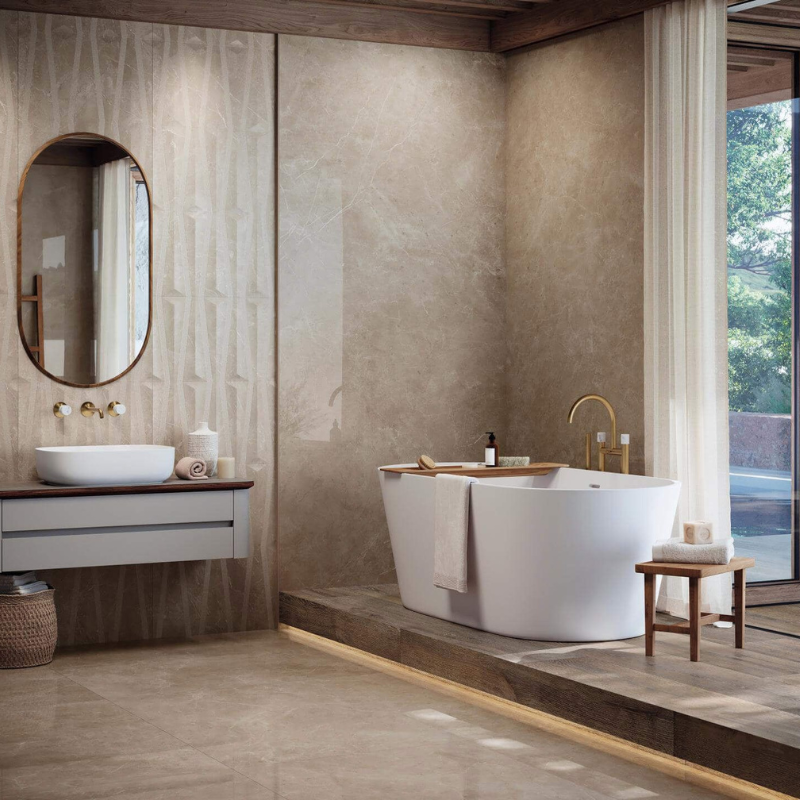
Tiles are available in an array of styles: bold patterned tiles, luxury marble effect tiles, charming wood effect tiles and many more. They offer a variety of textures, colours and shapes for you to choose from, helping you find one that will complement your interior design and create a real focal point in your space. But besides the appealing aesthetics, wall tiles offer much more, they’re durable and low maintenance – unlike wallpaper, they won’t peel, fade or stain in humid rooms. They are a practical solution for wet areas (bathrooms and kitchens) where other feature wall materials may struggle.
Feature Wall Tiles for Kitchens
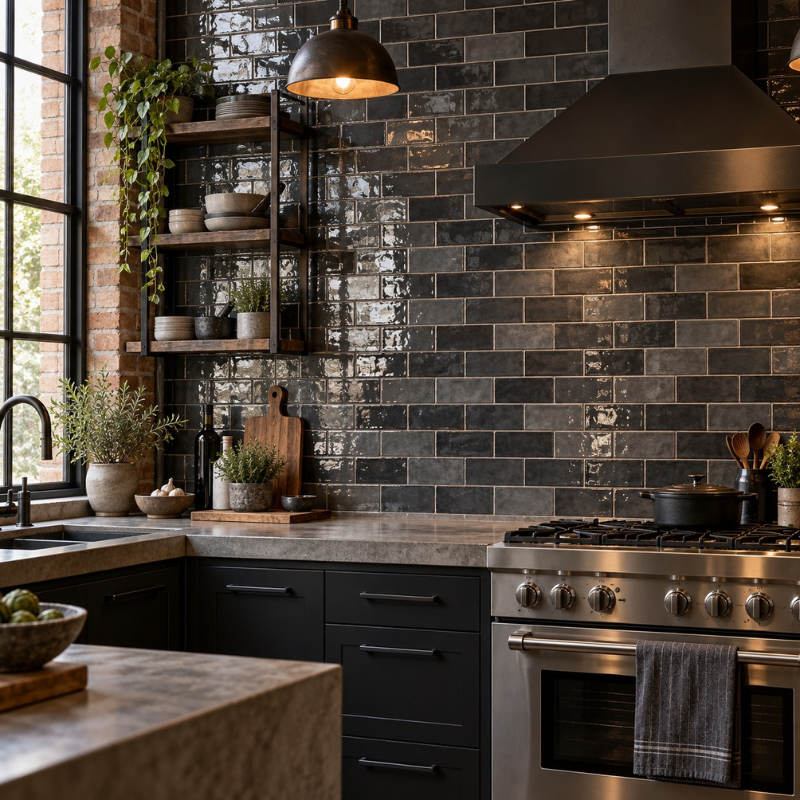
The kitchen splashback is a natural choice for a feature wall because it is highly visible, practical and often one of the first areas to attract attention. Using patterned or coloured splashback tiles against plain kitchen cabinetry can create a stylish, designer-inspired finish, while subway or metro tiles laid in a herringbone or vertical stacked pattern can transform a simple tile into an eye-catching focal point. For further inspiration discover our complete guide to Metro tiles or the herringbone layout.
In an open-plan kitchen-diner, a tiled feature wall can also help define the kitchen area without the need for a physical divider. For maximum impact, consider extending the kitchen splashback tiles from the worktop to the ceiling, creating a taller, more dramatic appearance while adding depth, texture and personality to the space. Read more about Kitchen Splashback ideas here.

Feature Wall Tiles for Living Rooms and Hallways
Feature wall tiles are becoming increasingly popular in living rooms and hallways, offering a stylish and practical way to add texture, character and visual interest to your home. In living rooms, tiles can be used behind a TV unit, fireplace or shelving to create a defined focal point without covering every wall. Large-format stone-effect and concrete-effect tiles are particularly effective for achieving a modern, industrial-inspired feature wall, while also being easier to maintain than natural stone. For a more dramatic finish, 3D textured tiles behind a fireplace can create an eye-catching centrepiece and add depth to the room. In hallways, a tiled dado-height section or full-height feature panel can introduce personality while protecting walls from scuffs and marks in high-traffic areas. Patterned floor tiles can also act as a hallway feature, transforming the floor into a decorative focal point that sets the tone for the rest of your home. For more inspiration, explore our guides to stone-effect tiles and hallway tiles.
Choosing the Right Tile Style for Your Feature Wall
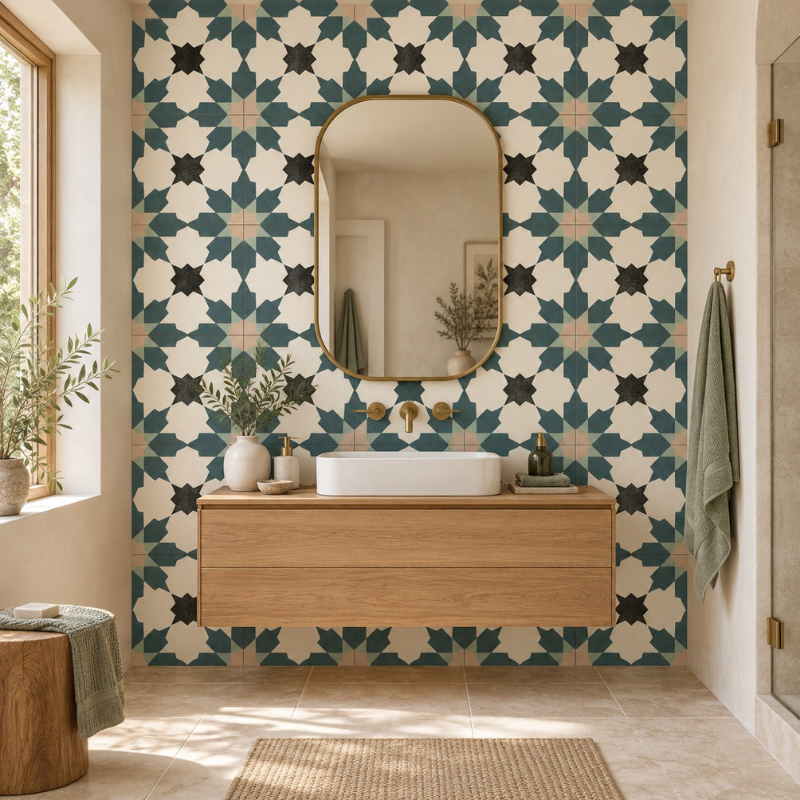
Choosing the right feature wall tiles can transform a room, adding colour, texture, depth and personality to your interior design. Patterned tiles, including geometric, encaustic-effect and Moroccan-inspired designs, create a bold focal point and are usually best used on one wall to prevent the space from feeling overwhelming. Textured wall tiles, such as ribbed, fluted, 3D wave and brick-effect designs, add visual interest through their tactile surfaces rather than relying on strong colours or intricate patterns. For a sleek and contemporary finish, large-format tiles are an excellent choice, as their reduced number of grout lines creates a more seamless appearance. You can find more inspiration in our guide to large-format tiles. Mosaic tiles offer intricate detail and work particularly well in smaller areas, such as shower niches, kitchen splashbacks and alcoves, where their design can be appreciated up close. Alternatively, colour-block tiles in shades such as dark green, deep blue or black can create a dramatic feature wall through contrast alone.
Design Tips for Feature Walls
Creating a successful tiled feature wall is all about balance, contrast and choosing the right location. In most rooms, it is best to use feature wall tiles on one wall only, as covering every wall in the same bold pattern can make the design feel overwhelming and reduce the impact of the feature. Consider the room’s natural light and choose the wall that is first seen when entering the space or naturally draws attention, such as the wall behind a bed, bath, sofa, fireplace or TV unit.
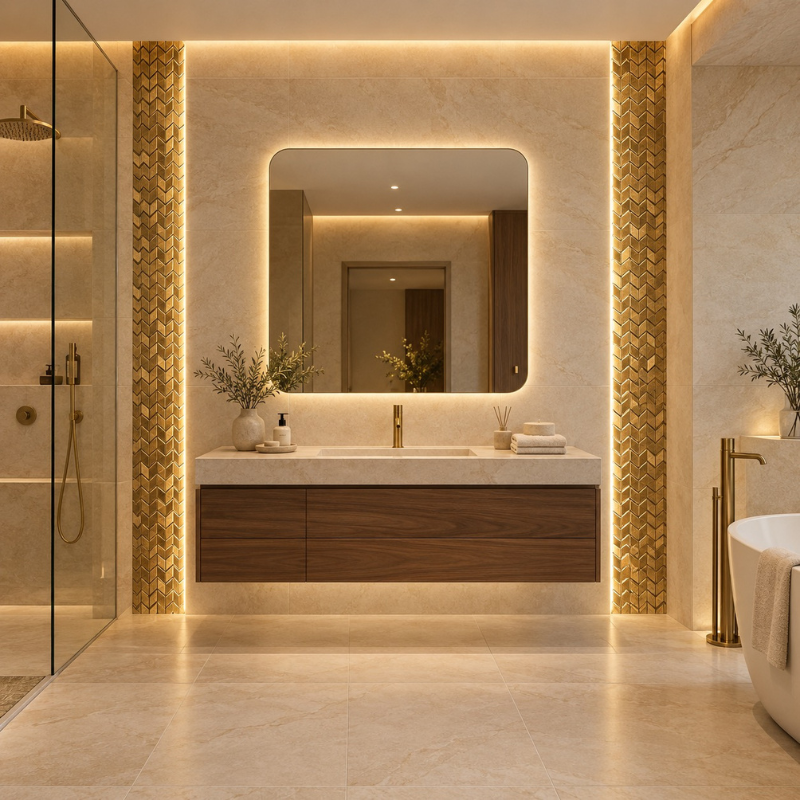
To create a balanced interior, pair bold patterned, textured or coloured tiles with plain surrounding walls, understated flooring and simple furniture. Lighting should also be considered when choosing your feature wall tiles. Directional lighting can highlight the surface of ribbed, fluted, 3D or textured tiles, creating attractive shadows and enhancing the depth of the design. Before making a final decision, order a tile sample and view it against the chosen wall at different times of day. Natural and artificial light can significantly affect the appearance of tile colours, patterns and textures, helping you choose the right feature wall tiles for your room.
Frequently Asked Questions
What tiles are best for a feature wall?
The best feature wall tiles depend on the room and the look you want to create. Large-format porcelain tiles provide a sleek, contemporary finish with fewer grout lines, while stone-effect and concrete-effect tiles add natural or industrial character. Patterned, encaustic-effect and Moroccan-inspired tiles create a bold focal point, while ribbed, fluted and 3D textured tiles add depth without relying on strong colours. Mosaics work particularly well in smaller areas, such as niches, alcoves and splashbacks.
Can you put tiles on a living room wall?
Yes, tiles can be used to create a stylish and durable living room feature wall. They are particularly effective behind fireplaces, TV units, media walls and shelving. Stone-effect, concrete-effect, marble-effect and textured tiles can all add visual interest. Before installation, ensure the wall is clean, flat, stable and strong enough to support the chosen tiles. If tiling around a fireplace, select suitable heat-resistant products and follow the relevant safety guidance.
How do you tile a feature wall in a bathroom?
Begin by ensuring the wall is clean, dry, flat and structurally sound. In shower areas and behind baths, suitable waterproofing or tanking may be required before tiling. Plan the layout carefully, then use the correct bathroom adhesive, grout and tile spacers to achieve an even finish. After the adhesive has cured, grout the joints and seal movement joints with sanitary silicone. Large-format tiles, mosaics and natural stone may require professional installation for the best results.
What is the best size tile for a feature wall?
The ideal tile size depends on the wall, room and desired style. Large-format tiles create a seamless, modern appearance with fewer grout lines and work well in bathrooms, living rooms and kitchens. Metro or subway tiles offer layout flexibility, including herringbone, vertical stack and brick-bond patterns. Mosaics and smaller tiles are ideal for niches, alcoves and compact feature areas. Always consider the wall dimensions and plan the final layout before ordering.
Are textured tiles good for feature walls?
Yes, textured tiles are an excellent choice for feature walls. Ribbed, fluted, wave-effect, 3D and brick-effect tiles add depth and interest, even in neutral colours. They can create a spa-inspired bathroom, enhance a living room fireplace or add character to a hallway. Directional lighting helps highlight the texture and create attractive shadows. However, deeply textured tiles may require extra cleaning, particularly in areas exposed to water.
Should a feature wall be lighter or darker?
A feature wall can be either lighter or darker, depending on the effect you want. Dark tiles in shades such as charcoal, black, deep blue or forest green create drama, contrast and depth. Lighter tiles can make a room feel brighter and more spacious, making them useful in smaller rooms or areas with limited natural light. Balance dark feature wall tiles with lighter surrounding surfaces, and always order samples to view the colour in different lighting conditions.